Link

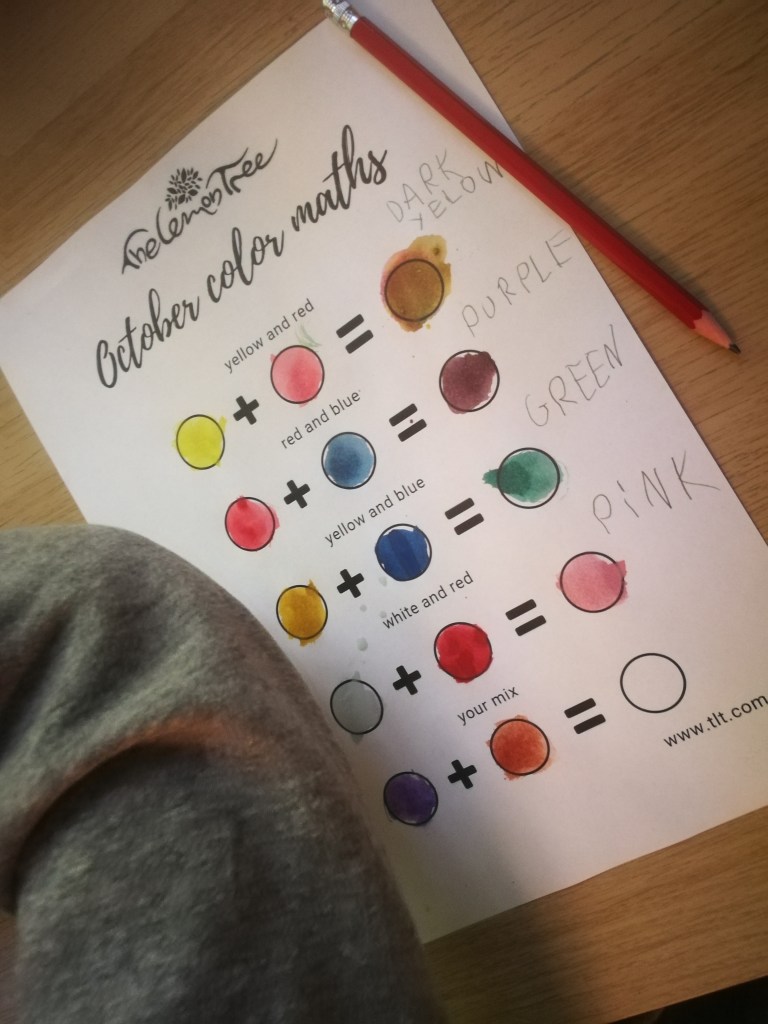
October Color Maths

Level: YL Time: 30-45min

mde_vivi

This one really speaks for itself.

Introduce the names of colors. Make sure that kids either are able to read the names of colors or work with a student who does. Distrubute the paints, brushes and worksheets and simply sit back relax (or run around with a cloth wiping the tables clean0. Enjoy!

Image

Crazy families.

Level: YL Time: 45-60min

This lesson provides an opportunity for YL to practise family vocabulary and have some fun with it.

You can pre-teach the vocabulary or encourage SS to guess the meaning from the context. You can put SS into pairs or groups and hand out the text and image cards for matching. Explain that SS need to read the family descriptions and match each description with its corresponding picture. You can read the cards if your SS can’t do that yet.

After that invite SS to draw a picture of a family. Then they write a short text describing that family. Make an activity similiar to this one with their cards and pictures. My SS loved to see their own work turned into teaching material.

Gallery

Circles and such

Level: YL Time: 60 min

Dzisiaj post po polsku, dla polskich czytelników, bo zajęcia wymagają wyprodukowanej w Polsce gry pt. ‘Kółka i spółka’.

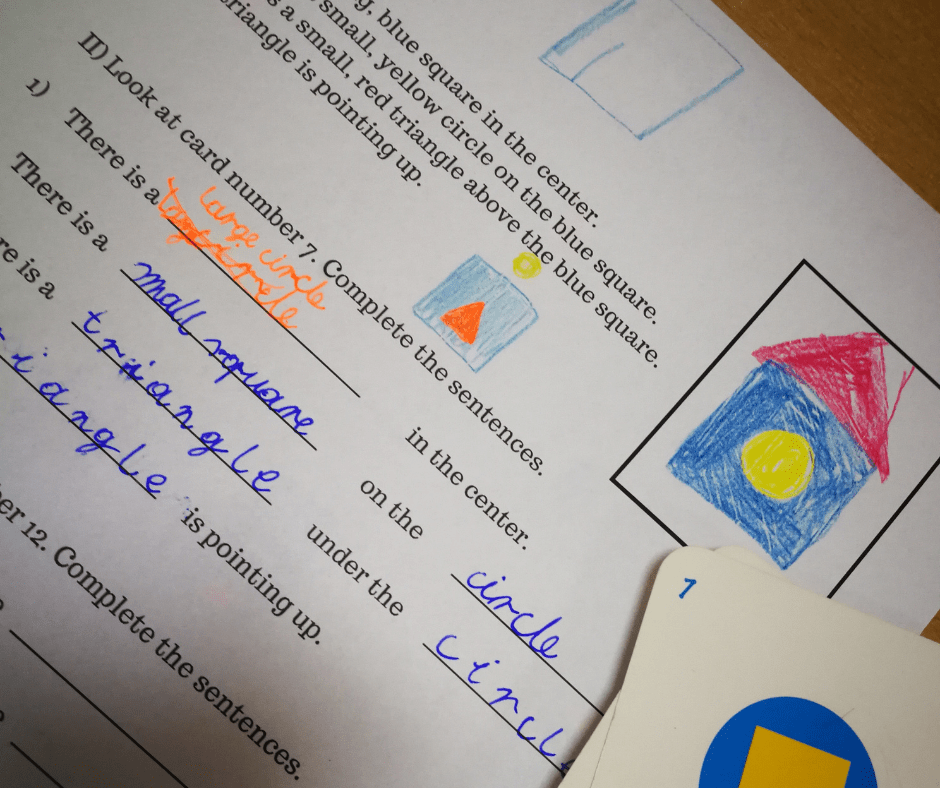
Gra składa się z kart oraz wyciętych z grubej tektury kształtów. Kwadraty, koła, trójkąty i prostokąty w trzech rozmiarach i różnych kolorach.

Moje własne dzieciaki korzystały z gry bardzo chętnie, więc postanowiłem wykorzystać ją do zajęć językowych.

Najbardziej oczywiste jest wykorzystanie gry do wprowadzenia nazw kształtów i rozmiarów. Ja dorzuciłem jeszcze okoliczniki miejsca i inne wyrażenia służące do opisu położenia przedmiotów w przestrzeni.

Zaczynam lekcję od wprowadzenia/powtórzenia nazw kształtów. Potem można zrobić jakieś ćwiczenie TPR w stylu rysowania kształtów na plecach, układanie kształtów z długopisów lub ciał dzieci (jeśli macie na to miejsce 😉).

Potem wchodzi załączony handout. Słownictwo, czytanie, pisanie, słuchanie i mówienie. Wszystko jest.

Zapraszam.

Image

Stuff That Animals Can & Can’t Do

Time: 45-60 min Level: YL

Lucas the Spider is my all times favorite conversation starter for Young learners. This time he is trying to play hide and seek with a chameleon. He is not doing so great, obviously.

Perfect opportunity to introduce or practice can/can’t strutures and movement/activity vocabulary. I started with a vocabulary presententation in Wordwall and let students play with it for some time.

After that we watched the video and talked about the story.

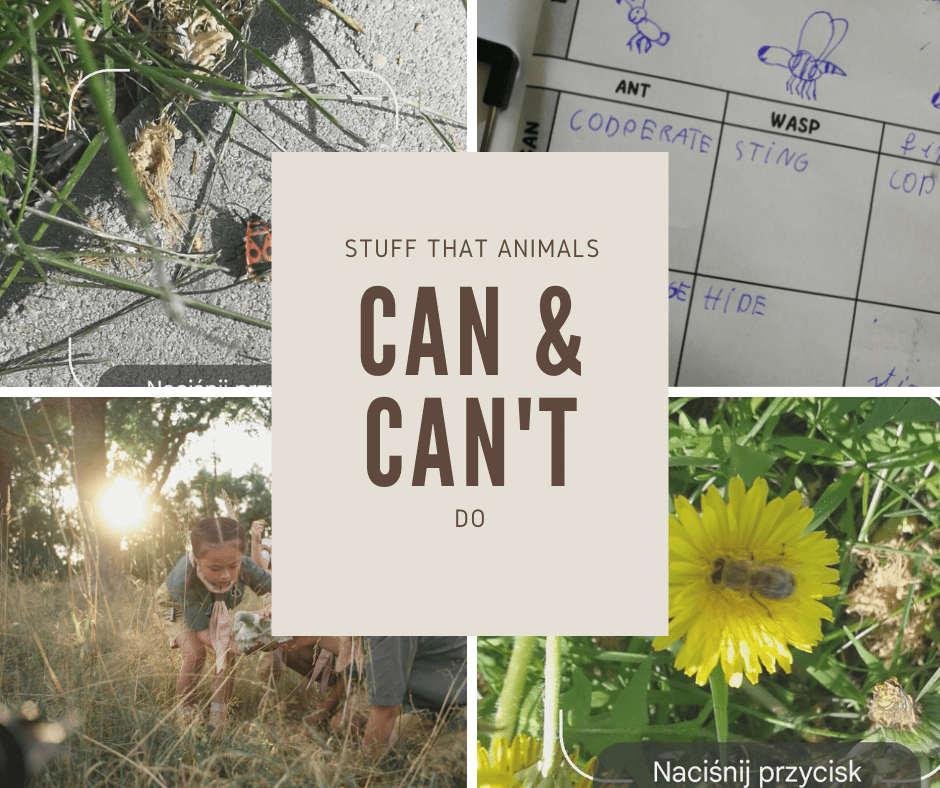
Finally I put two sentnces on the board ‘Lucas can…’ and ‘Lucas can’t… ‘ We brainstormed different ways to finish the sentences. Eventually I distributed the handouts and everybody completed the first two columns.

The last activity was to go outside and find some other animals. Scan them with a GoogleLense, learn about them and complete the table with more information.

Gallery

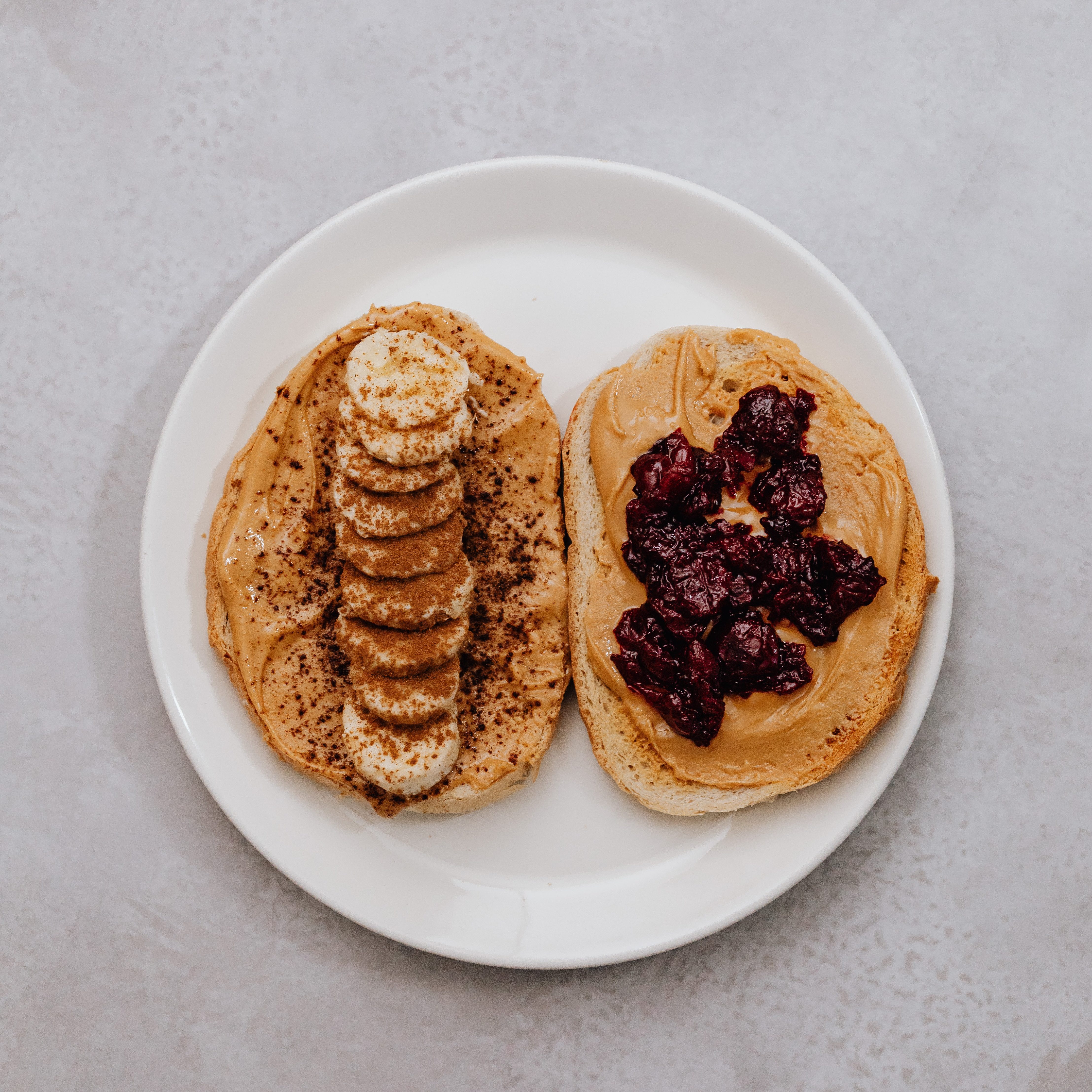
PB&J Sandwich Lesson

Level: Young Learners and up Time: 30-45min

photo: Karolina Grabowska

This lesson was designed as a follow up to my other YL lesson on astronaut food: https://englishvee.com/2021/01/17/kids-try-astronaut-food/

It can be used for YL and more advanced SS, depending on your lesson plan. There are two worksheets to choose from.

I always start the lesson with this video. I pause it after every fail and ask SS three questions:

  1. What went wrong?
  2. How do the kids feel?
  3. How does the dad feel?

Handouts:

This handout is more of a passive, multiple choice, cross-out type of activities…

This one on the other hand allows T and SS to get a lot more creative. You can ask SS to write a recipefor a peanut butter and jelly sandwich (pb&j) in their own words or based on some YT tutorial. You can also use it to introduce vocabulary for sequencing (First, next, after that, later, last, etc.)

For more advanced SS you can use this material for a fun and a very educational CLIL activity (science and IT). Invite SS to imagine that they writing instructions for a robot or an alien.

Using the instructions SS provide T attempts to make PB&J sandwiches.

Follow the instructions as literally as possible

It can get super fun, as T (the robot) cannot even open a jar.

Link

Gross out quiz?

Level: YL Time: 60min

If for some reason you haven’t used National Geographic materials so far, it’s a huge mistake!!! The NG team have done such a great job creating the games and quizzes.

Last week I picked the Gross out quiz for a group of 4th grade boys. They had sooo much fun and learned sooo much. Not just English vocabulary, though.

It was a full blown CLIL lesson. Social studies, Biology, Health all in a short 11 questions quiz.

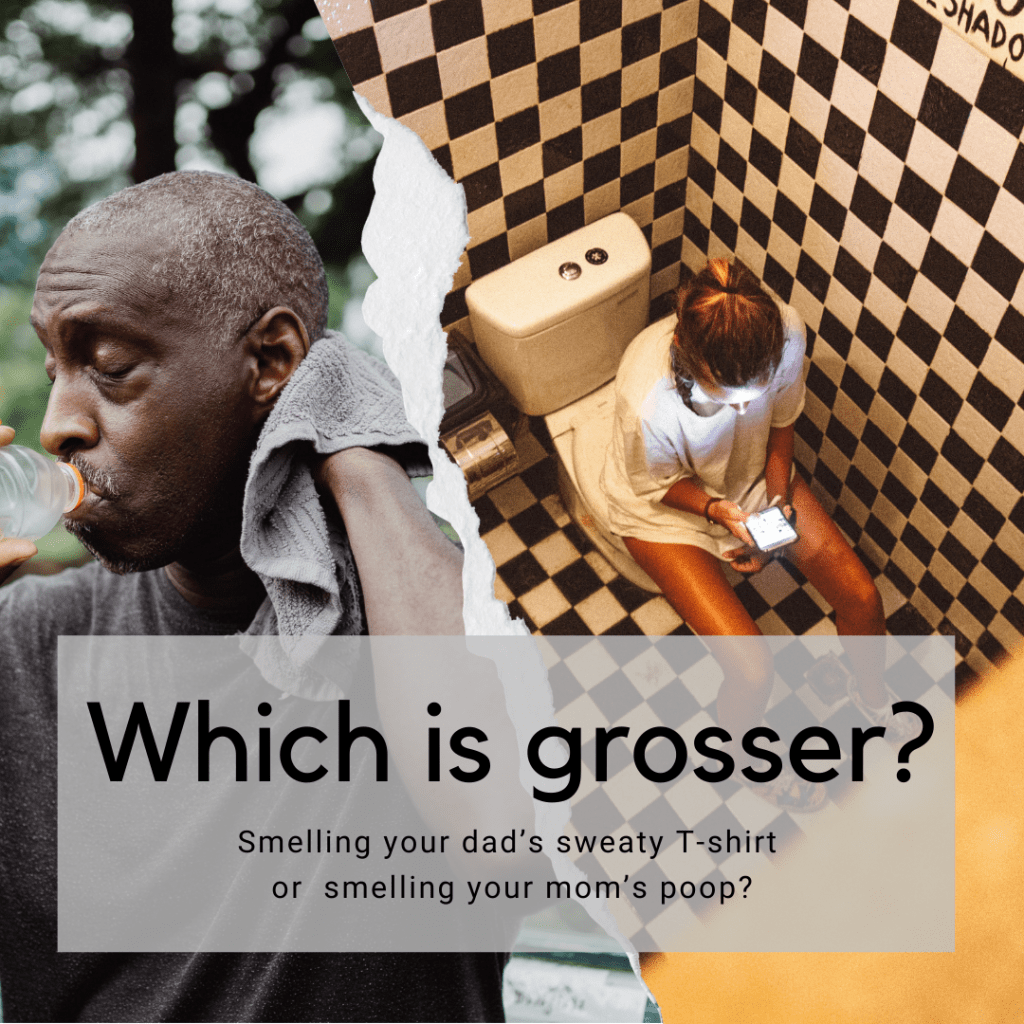
After the class we created a Quizlet with vocabulary that they found interesting/worth remembering. The finale was a writing activity titled: ‘Which s grosser?’

Every person in the classroom was supposed to come up with an impossible choice of gross stuff to choose from. Some of the most memorable ideas from the kids?

Which is grosser?

Eating moldy cream cheese or eating hot dog with maggots?

Smelling your dad’s sweaty T-shirt or smelling your mom’s poop?

It was a blast!!! Thank you National Geographic!

https://kids.nationalgeographic.com/games/quizzes/gross-out-quiz-whiz/

https://quizlet.com/563252592/national-geographic-gross-out-flash-cards/

Online, CLIL Multitool.

Having done a couple months of online classes, I started to notice that there are quite a few things that make them more fun.

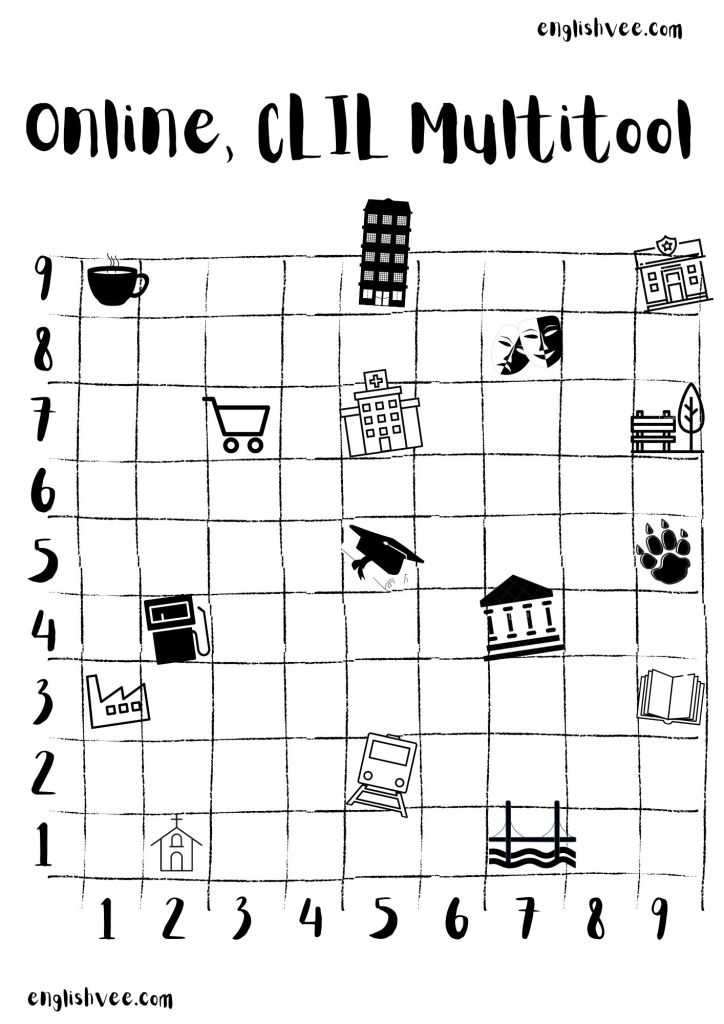
One of those things, is allowing students to draw on the screen. While most teachers block the annotate feature, I decided to use it during the classes. I tested it with ‘places in town’ and ‘clothes’ but I’m pretty sure you can use for any vocabulary topic.

First, you introduce the vocabulary in your favorite app. In my case, it’s quizlet. It allows doing a quick presentation and then students can play/practice the vocab in their own way. Learn/test/match mode… whatever. I usually give them about 5 minutes to play with the words.

https://quizlet.com/536671198/places-in-town-flash-cards/

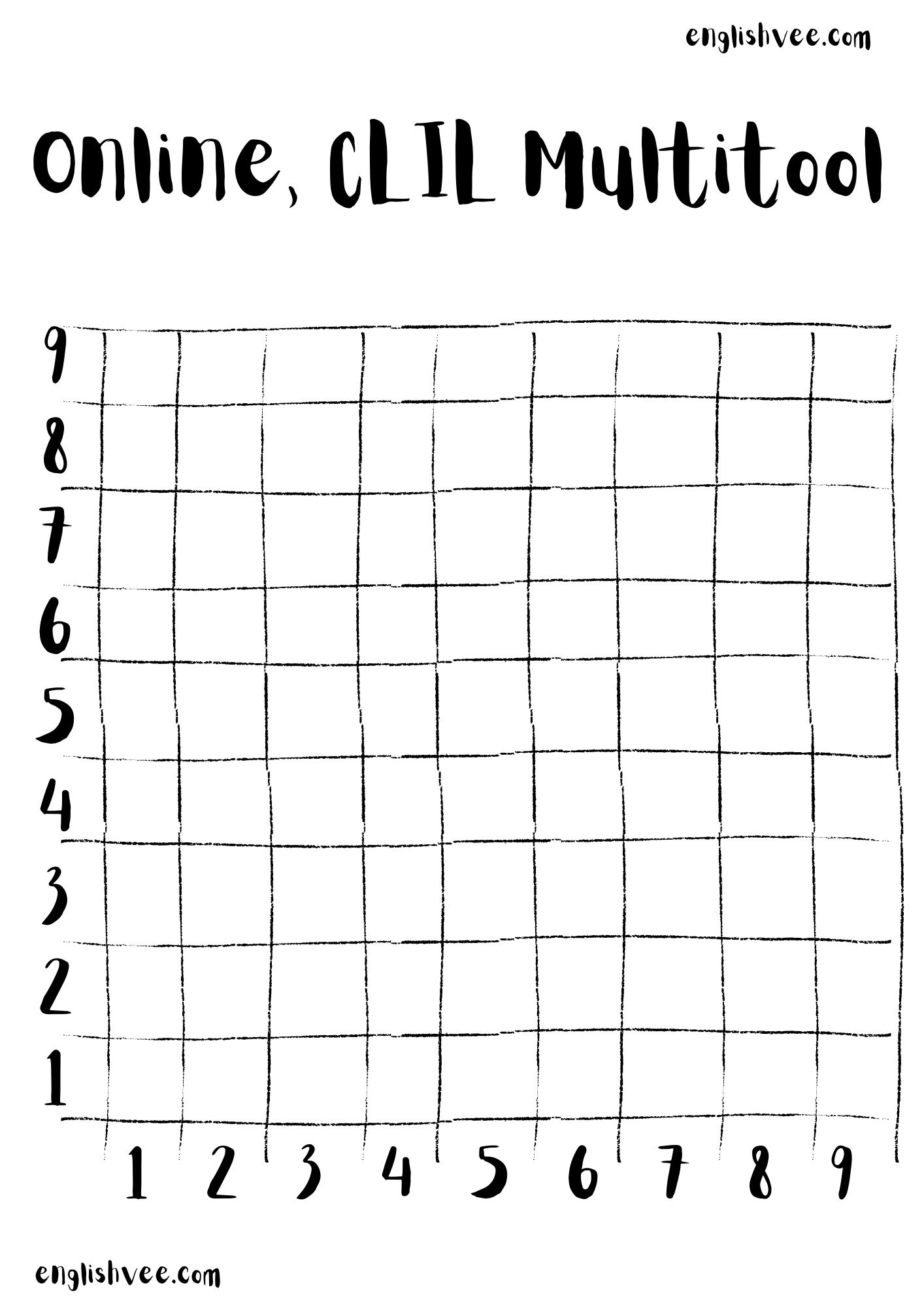
Then, it’s finally time to use the multitool. I put some visuals on the grid. About 15 pictures seems to be just the right ammount.

The next step is to tell kids how coordinates work. Give a couple of examples: (2,1) – Church; (9,3) – Library, etc. They usually get it straightaway.

After that you can come up with lots of different ways in which you can use the multitool. Some of the things that worked well during my classes are:

  1. One student gives coordinates and picks a student who’s supposed to give the name of the place.
  2. One student gives the name of a place and picks a student who’s supposed to give the coordinates.
  3. Drawing lines form one place to another.
  4. Drawing additional places on the grid.
Video

Pink Panther @sql

Level: A2 and up

It’s been a while since the last class with Pink Panher. I planned this one for our last lesson this semster with my 5th graders.

A little bit of vocab: https://quizlet.com/_8fnq6y?x=1qqt&i=sje7e

Some grammar: Practice Past Simple. Introduce Present Perfect or even Comparative and Superlative forms of adjectives. (dumb, dumber, the dumbest)

Above all, have fun during the discussion on features of great teachers.

PInk Panther sql_Worksheet (1)pdf icon

Tighter Dress Code for Teachers

Level: B1 and up (first part great for Young Learners too)

94128075_831027844057230_2670958771752140800_n

During the Covid-19 quarantine I struggle every morning to get dressed. Why would I want to get changed? Pajamas seem absolutely fine for online classes.

Do other people, my students in particular, experience that too?

Start the class with a discussion:

Has the quarantine changed the way you dress? How?

Then let the fun begin. Imagine that the quarantine is over and you can go out tonight. Invite ss to run to their closets and get changed for:

  • Movie theater
  • Date
  • Party in a club
  • Wedding
  • Other occasion of their choice

It’s gonna work best if you get changed too. Then let everyone talk about their outfits. Clothes vocabulary and second conditional will come handy for this lesson.

Next step is a video. TYT show on Paris Monroe also known as #TeacherBae

https://www.youtube.com/watch?v=F291o8Wx-LE

Monroe is an American teacher who gained a lot of attention by posting classroom photos on Instagram. It was followed by lots of discussion on appropriate dress code for teachers at school.

Before watching the video present and practice vocab here:

https://quizlet.com/502633359/tighter-dress-code-flash-cards/

The hosts are Alonso Duralde, Kenny Hamilton and Grace Baldridge. What do they think about these issues?

  • (00.00-02.30) Paris Monroe’s attire is appropriate for school.
  • (02.30-03.40) Women know if their outfit attracts attention.
  • (03.40-06.25) Attractive men are treated differently than attractive women.

Obviously let the ss express their own opinions on the issues above.
Where are these pillows from?

Level: B1 and up (you might want to use the questions even with Young Learners)

Since the beginning of COVID-19 pandemic I was trying to think of a way to share how we do our online classes.

The thing is, they don’t look much different than our classroom lessons.

What you should keep in mind is that, it’s close to impossible to learn a language without another human being. You need someone to communicate with in order to learn a language.

Doing multiple-choice-gap-fill-odd-one-out-jumbled-sentence type of activities might be an easy way to run that online class. But don’t fool yourself. Nobody has ever learned a language by filling gaps.

That is why our lessons are all about communication.

This is an example of such a class.

Talk with SS about Corona Virus influence on their life.

There are some conditional clauses used in the video. Pre-teach them if needed.

The SS might also not know who OMKalen and Ellen DeGeneres are. As a pre-watch activity you might want to see their Instagram accounts or see some of their videos.

Enjoy.

24 questions Worksheetpdf icon

24 questions Answers pdf icon